Mexico City is often divided into the famous neighborhoods for convenience: Roma, Condesa, Polanco, Centro. But for those who care about food, this way of thinking could be bent.
Where you stay will dictate how you eat those meals that are not necessarily planned ahead.
And in a city where meals are precious time and stomach space is limited, location matters.
Roma: For variety
Roma (stop calling it Roma Norte if you want to sound more like a local and less like a tourist) is where most visitors land. It offers density and diversity at the same time. Coffee in the morning, a few squares full of greenery, sit-down restaurants, some of the most famous spots are here, along with traditional old-school eateries in between.
It’s not the most hardcore version of the city, but it’s one of the easiest to navigate. You can move between casual and extra fancy meals without planning too much.
If your goal is to explore slow, walk everywhere, with a big chance of winging it and getting it right without overthinking, this is the safest choice.
For Tacos and Street Food: Tizne Tacomotora, El Gato Volador, Escándalo, tlacoyos Medellín, La 89
For Coffee & Tea: Post, Como la flor, Casa Tassel, Cafe Forte, Tormenta, Buna, Gala, Mise en print
Fancy: Contramar, Maximo, Choza, Cursi, Bartola, Pargot, Campobaja
Drinking: Vigneron, Despacho Margarita, Mauro, Oropel, Bar Liebre, Licoreria Limantour (which is Limantour’s secret backroom).
Condesa: For slower mornings and longer dates
Condesa moves at a different pace. Tree-lined streets, big parks, lots of dogs, longer breakfasts, and more time spent sitting.
Food here leans toward cafés, bakeries, and places designed for lingering and maybe people watching. It’s less about famous restaurants, or specific dishes and more about settling into a relaxed vibe.
This is where you stay if you want your meals to feel unhurried and keeping a good distance from loud nightlife. .
Centro Histórico: For intensity and tradition
Centro is overwhelming at first, but it offers something the other neighborhoods don’t: proximity to history and to some of the city’s most traditional food.
Markets, staples, street vendors, and long-established restaurants coexist within a few blocks.
Staying here means adjusting quickly. It’s louder, more chaotic, but also more revealing.
For coffee: Feral Cafe
Tradition: Kaguamo, El Cardenal, El Rey del Pavo, La Ideal, Salon Corona
Polanco: For upscale dining
Polanco is often associated with high-end restaurants,
Reservations, polished service, and more predictable dining environments (as well as the most beautiful traffic lights in the city).
If you’re planning specific meals or want a more controlled experience, this area works. But it’s far less spontaneous and a massive hell to get into and out of due to traffic.
For real tacos: Turix, Ticuchi.
Fancy: Quintonil definitely
San Rafael: For old-school Mexico City with a quiet wave of new openings
San Rafael sits just outside the usual visitor circuit, but definitely shouldn’t be
Long-standing restaurants, traditional cantinas, and neighborhood bakeries still define much of the daily rhythm. Lunch matters here. Regulars return to the same tables.
At the same time, a quieter shift is happening. A handful of newer openings have started to appear, often small in scale and more intentional than flashy. They don’t try to transform the neighborhood, but to fit into it.
The result is a mix that feels less curated than Roma or Condesa, but more layered than it first appears.
For Tacos: El Betín, La Tonina and the famous Califa del León.
New & Modern: Vacaciones, Ololo, Fuzz & Brew.
Juárez: For balance between local life and easy access.
Juárez has become one of the city’s most fluid neighborhoods, where different rhythms overlap rather than compete.
New restaurants, casual hangout spots, and coffee counters sit alongside older buildings and long-standing businesses. It’s not as uniform as Roma or Condesa, and that lack of cohesion is part of its appeal.
The growing presence of Korean restaurants and businesses has added another layer, creating a small but noticeable Koreatown within the neighborhood. It’s not formal or contained, but it shapes where and how people gather like Nadefo.
In between, there’s a strong thread of independent fashion and retail, which subtly changes how people move through the area. You don’t just go there to eat. You pass through, stop, linger, and continue.
Beverages: El Minutito, Sin Cruda, Kaito, Mado Cafe, Bussifame and La Rifa for chocolate
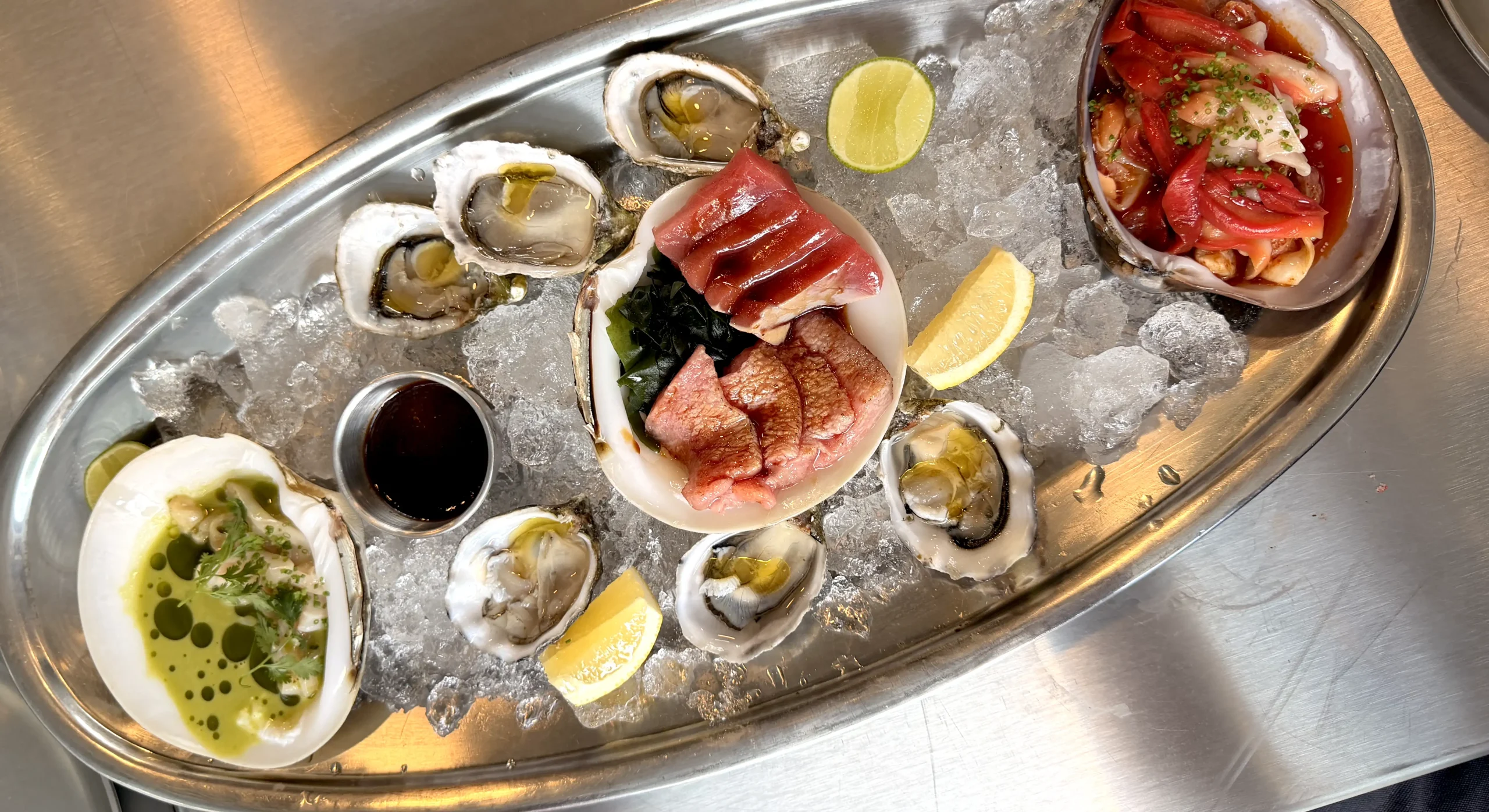
Fancy: Arco, Taverna, Imbiss and please visit Taller de Ostiones for the freshest seafood in the city.
Bonus: we offer an incredible Juarez food tour via Devoured and we take you to hidden gems and includes of street food and chocolate: please check it out via our website.
Narvarte: For a taco blitz
Narvarte is not designed around visitors, and that’s exactly why its food stands out.
This is one of the neighborhoods where tacos become the main event rather than a complement, this being the place with more taquerias per person in the city.
Taco stands, antojitos, late-night eating, everything happens within a few blocks, often without much online presence or visibility.
The experience here depends less on planning and more on walking, noticing, and returning.
For travelers interested in how people in Mexico City actually eat on a daily basis, Narvarte offers one of the clearest windows.
Tacos: La Costilla, Tacos Joven, Tacos Richard and Vilsito (obviously)
Cafe & Bar: Rincon, Extra Extra, Manada Bar, Costra